
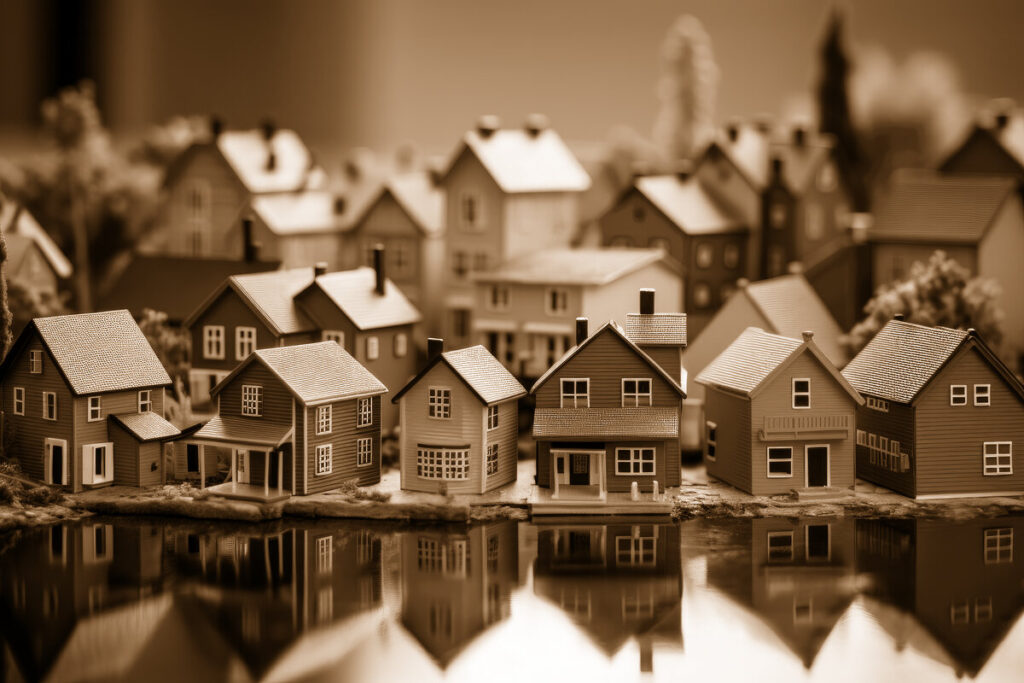
Nestled in South-Central Omaha, the Hawthorne neighborhood is an understated gem with a unique blend of history, heritage, and community spirit. It’s a place where tree-lined streets like Hawthorne Avenue and quaint homes evoke stories of transformation, resilience, and belonging. For longtime locals and curious newcomers alike, Hawthorne is more than just a location — it’s a living chapter of Omaha’s vibrant past and present.
The Origins of Hawthorne
Hawthorne’s story begins in the late 19th and early 20th centuries, as Omaha’s city limits stretched southward beyond bustling downtown. Developers and homesteaders were drawn by the gently rolling hills and easy access to downtown via streetcar lines. The neighborhood settled in just south of the midtown area, generally bounded by Center Street to the north, 42nd Street to the west, 36th Street to the east, and a bit beyond Grover Street to the south.
But how did Hawthorne get its name? Like so many neighborhoods of the era, it drew inspiration from natural beauty. The area was notable for its dense Hawthorn trees, which brightened springtime with their distinctive white and pink blossoms. Some historians also speculate a literary influence, possibly referencing Nathaniel Hawthorne, whose name evoked charm and refinement in early-twentieth-century America. Whatever the exact origin, the name "Hawthorne" soon became synonymous with a welcoming, family-oriented way of life.
Key Historical Milestones
- In the early 1900s, the first wave of development paved over farmland, as modest Craftsman and American Foursquare homes began to appear along streets like Martha, Marcy, and Hawthorne Avenue.
- The opening of Hawthorne Elementary School in 1916 marked a major milestone, quickly growing into a centerpiece for local families. The school—still standing today on 42nd and Frances Street—continues to nurture generations of Hawthorne kids.
- In the 1930s and ’40s, Hawthorne grew as a safe haven for working-class families, many employed in Omaha’s bustling railroads, stockyards, or packing houses along the South Omaha corridor. Period photographs show block parties, civic parades, and lively gatherings at local halls and faith institutions.
- Post-WWII brought another housing bump. Single-story ramblers and Cape Cod-style homes filled in remaining lots, and the area’s leafy character was preserved thanks to strict city ordinances limiting commercial intrusion.
Notable Landmarks and Buildings
While Hawthorne is primarily residential, it boasts a few beloved landmarks worth highlighting:
- Hawthorne Elementary School — A local institution for over a century, its stately brick building and surrounding playground remain a heart of neighborhood life.
- Frances Street Residences — Stroll down Frances, and you’ll notice some of the area’s stateliest homes—many featuring original millwork, wide porches and lovingly maintained gardens.
- Christ the King Church on South 38th Street — This mid-century parish, with its distinctive cross-topped spire, has long been a gathering place for families from Hawthorne and nearby neighborhoods.
- Neighborhood Parks — Though Hawthorne doesn’t host a major park within its boundaries, the nearby Elmwood Park and Hanscom Park—some of Omaha’s oldest green spaces—are cherished greenspaces, easily reached via a short walk or bike ride.
The Heartbeat of Hawthorne: Community and Traditions
Ask any resident what makes Hawthorne special, and you’ll likely hear about the sense of connection. For generations, neighbors have gathered for block parties, holiday light tours, porch concerts, and the cherished tradition of “porch sitting.” In Hawthorne, waving hello isn’t an exception; it’s the norm.
Many homes have stood for nearly a century, and several families proudly count three or even four generations as Hawthorne residents. The neighborhood association, which traces its roots to the middle decades of the 20th century, remains active in maintaining Hawthorne’s charm, organizing clean-up days, and ensuring safe, beautiful streets.
Local legends also abound—stories of trolley tracks once running down Center Street, of makeshift ice rinks in backyard gardens during snowy Nebraska winters, and beloved businesses that have come and gone, each leaving a distinctive mark on neighborhood memory.
Hawthorne’s Evolution: Past, Present, and Future
Like many Omaha neighborhoods, Hawthorne has changed with the times. Over the decades, families of all backgrounds have enriched its fabric, bringing new traditions while honoring old ones. Recent years have brought newcomers—drawn to the sturdy homes, mature trees, and proximity to major Omaha institutions like the University of Nebraska Medical Center and vibrant downtown.
The housing market in Hawthorne remains competitive, with renovated historic homes often selling rapidly. New residents are eager to restore original features like hardwood floors, built-in cabinetry, and leaded glass windows, blending vintage character with modern comfort.
Security and walkability are points of pride. Bike lanes and sidewalk improvements connect Hawthorne to city trails, businesses, and other Midtown gems. Local gardening groups and the neighborhood email list buzz with tips, lost pet reports, and invitations to seasonal block parties.
What Makes Hawthorne Enduringly Special
From the delicate blooms of the neighborhood’s namesake trees to the enduring brickwork of century-old homes, Hawthorne is a testament to Omaha’s legacy of community and perseverance. It’s a neighborhood where stories accumulate on every porch, each corner echoing with the laughter, resilience, and quiet hospitality of its residents.
If you find yourself strolling under flowering crabapples near Marcy Street, listening to children’s laughter spill out from Hawthorne Elementary, or enjoying the shade on 41st Avenue, take a moment to recognize Hawthorne’s rich past—and its promise for the future. This is a neighborhood that honors its roots, welcomes new branches, and invites everyone to be a part of its ongoing story.